
Habits have changed in Bodrum tourism
Sabahattin Duman, President of the Bodrum Professional Hotel Managers Association (BOYD), stated that during the Eid al-Adha period, Bodrum achieved satisfactory occupancy rates mainly with domestic tourists, but the changing habits in tourism and the differentiation in the season flow are forcing both hoteliers and tradespeople into a new process.
Noting that the tourism season has followed a different course compared to previous years, Duman said, "There was a short-lived movement in April during the Easter holiday and at the end of May with Eid al-Adha. However, the demand gap formed until the domestic market revives again is challenging for both hoteliers and tradespeople. The season used to be more balanced; today, the difference between busy periods and slow periods is growing increasingly."
Stating that regional developments directly affect tourism movements, Duman said that tensions in the Middle East have caused serious fluctuations in the sector. He added, "The war and tension environment on the Iran-Israel line directly affect international tourism demand. The contraction in demand especially pushes destinations with high bed capacity to undertake more aggressive campaigns.
Price and campaign movements starting in major destinations like Antalya quickly affect the entire market. Bodrum can also feel the reflections of this in the upcoming period. Tourism now has to follow not only the weather but also global agendas," he said.
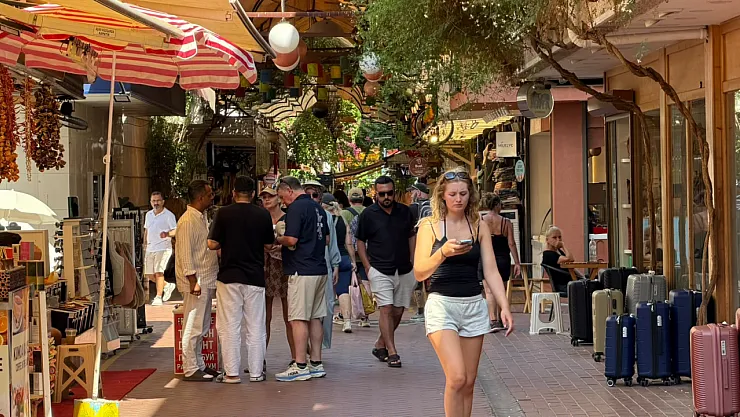
Pointing out that one of the biggest problems during the holiday period was traffic and parking inadequacy, Duman said that most domestic tourists travel by their own vehicles, increasing density inside the city. Noting that the bazaar tradespeople did not see the activity they expected, Duman emphasized that the reason is not a decrease in the number of tourists but a change in the tourist profile.
Duman said, "There are tourists, but they are not the old kind of tourists. Habits changed more than numbers. The problem in Bodrum is not the lack of tourists, but the change in the tourist’s route."
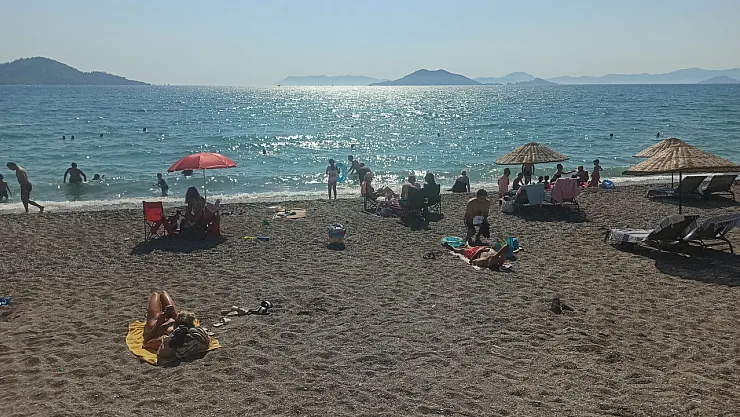
Noting that luxury hotels, residences, and marinas along the Yalıkavak and Torba line now host the upper income group, Duman said these guests spend most of their time at the facilities where they stay, at marinas, and in luxury businesses. He stated that guests staying at all-inclusive concept facilities also spend much of their day at the hotels. "In the past, tourists used to wait for the bazaar; now tourists can complete their vacation without stopping by the bazaar," he said. Highlighting that the profile of young tourists has also changed, Duman said, "The new generation of tourists starts their day at noon. They prefer beach clubs in the afternoon and entertainment venues at night. For this reason, the holiday can end without passing through areas where traditional bazaar tradespeople are located."
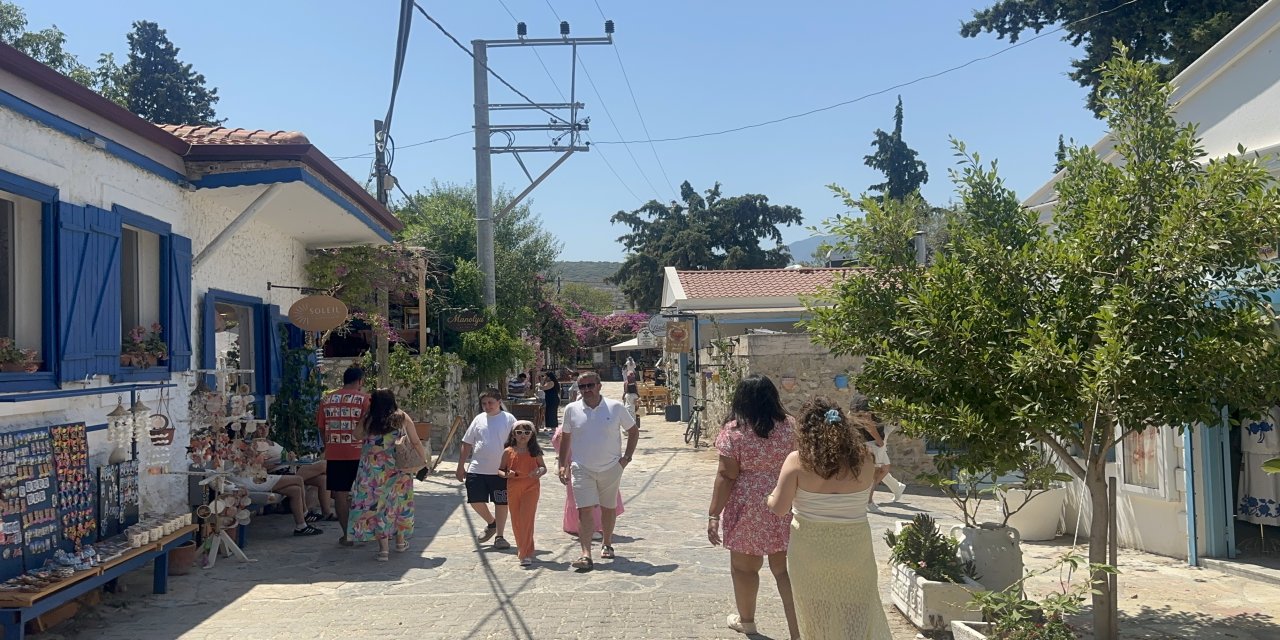
Duman said important efforts are being made in Bodrum to spread tourism revenues to broader segments. He mentioned that Bodrum District Governorship, Bodrum Municipality, tourism sector organizations, and professional chambers have been working on this issue for a long time. Duman said, "The goal is not only to increase the number of tourists but to spread tourism revenue to the entire Bodrum. Therefore, alternative tourism products are being developed and cultural and rural values are being highlighted."
Duman noted that the recently implemented Agro Bodrum Route is an important example of these efforts, stating that the project introduces visitors to local production, gastronomy, and rural life. He emphasized that the Leleg Path has significant potential for international walking tourism and that restoration works on cultural heritage sites such as the Aya Nikola Church and historic windmills will increase Bodrum’s attraction power.
"Bodrum now needs to sell its stories as much as its sea," Duman continued, concluding his remarks as follows:
"Tourists come for the sun, but we can host them for longer with our culture, gastronomy, history, and nature. Bodrum's future lies not in new concrete buildings but in its old values. The Lelegs walked these lands thousands of years ago. Maybe it’s time to make tourists walk again today."
Highlighting that the new era in tourism involves being able to circulate visitors not only on the coast but throughout the city, Duman concluded, "If you only keep tourists on the coast, the coast wins; if you spread them throughout the city, Bodrum wins."