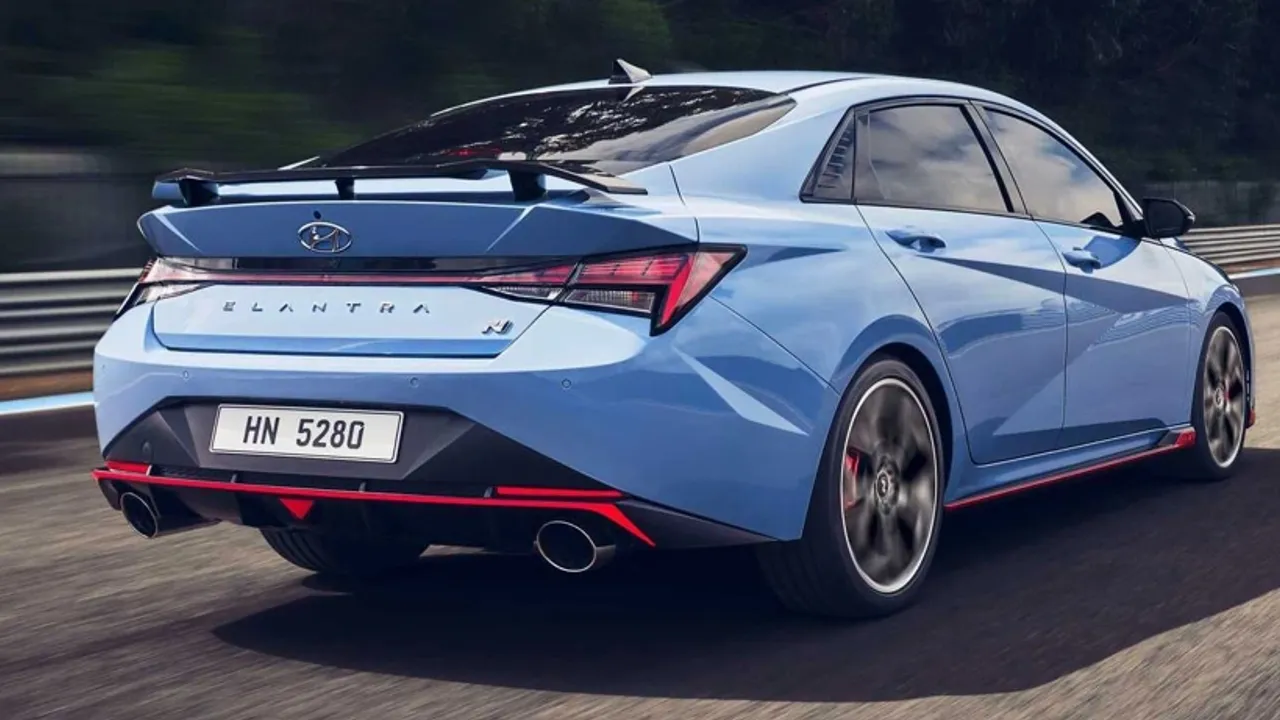
Giant models challenged high temperatures! German and Korean brands failed
The results of a two-hour air conditioning consumption test conducted with three different electric cars in extreme hot weather were published. Despite its spacious interior and massive glass roof, the Tesla Model Y outperformed its competitors in energy efficiency.
High temperatures brought by the summer months continue to strain electric vehicle batteries. Recent measurement results shared on a social platform numerically proved how much energy air conditioners consume when the temperature peaks. This test, conducted by experts under scorching sun, added a whole new dimension to battery efficiency calculations in the industry. The report prepared for users curious about battery performance reveals the significant gap in consumption amounts.
TWO-HOUR TEST IN CHALLENGING WEATHER CONDITIONS
Researchers structured the test between 11:30 and 13:30, when sunlight hits at the steepest angle. Officials simultaneously took three different models out of a closed parking lot and placed them in a fully open area.
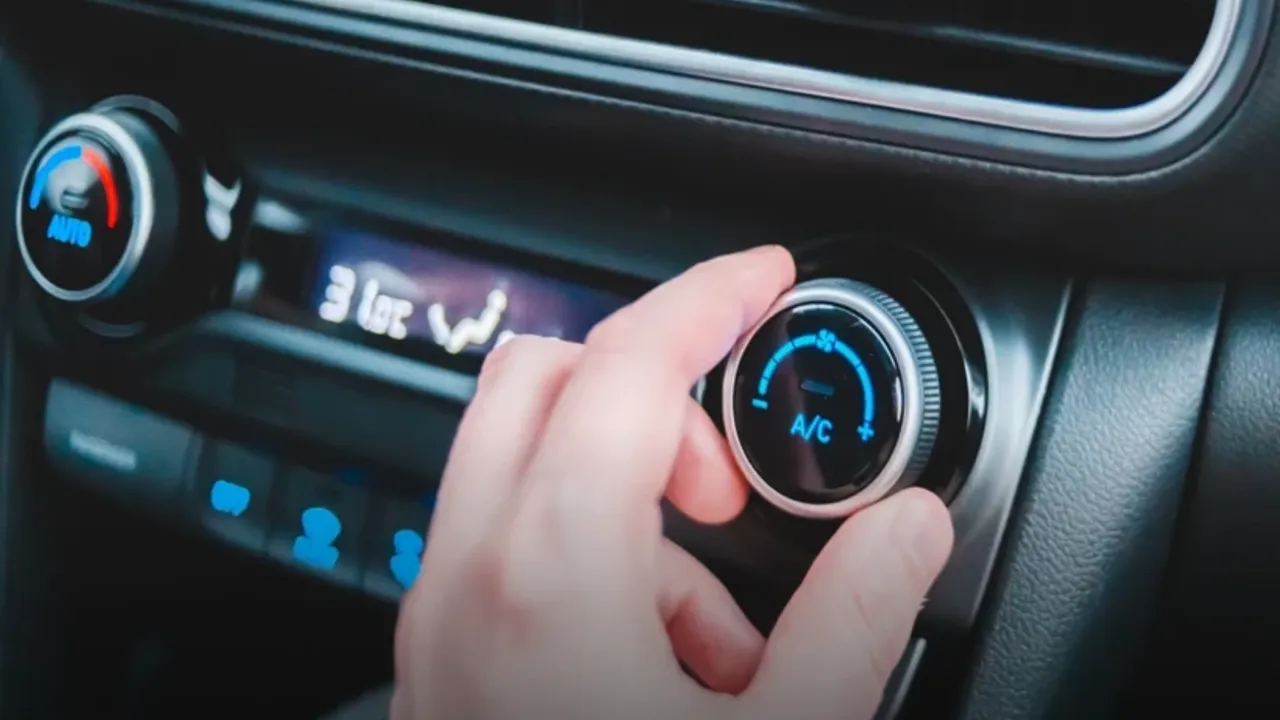
During the two-hour waiting period, air conditioners were set to 22 degrees. The team ran the car’s internal climate control system continuously on the highest automatic fan mode. When the time elapsed, technicians turned off the air conditioners and recharged the vehicles’ batteries until they returned to the levels at the start of the test. The total consumption drawn from the grid was accurately calculated using this method. Because the vehicles did not move, the motor power was completely disengaged.
The battery depletion was directly attributed to the air conditioner usage.
GERMAN AND KOREAN MODELS FAILED
Statistics recorded while parked revealed a significant difference in brand engineering. Despite the large glass roof known to complicate insulation, Tesla Model Y completed the process consuming only 2.5 kilowatt-hours of energy.
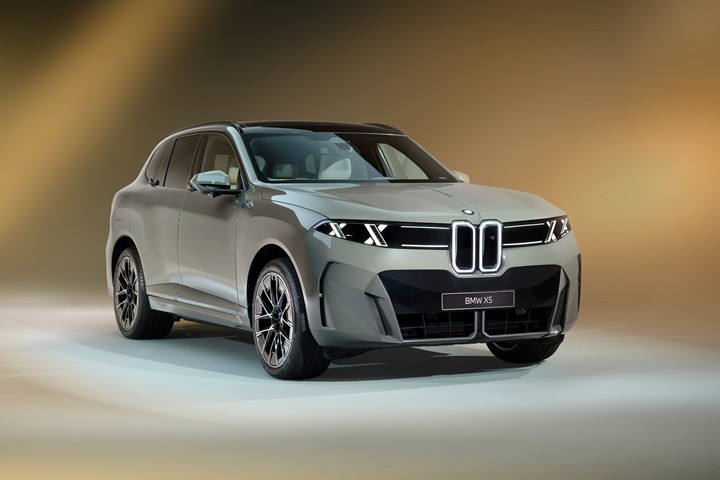
For the ambitious German manufacturer's market representative, the BMW iX3 model, this figure rose to 3.7 kilowatt-hours. The South Korean Kia EV3 showed the weakest performance in the test with a consumption of 3.8 kilowatt-hours. The data showed that European and Asian competitors' cooling systems consumed approximately 50% more battery compared to Tesla.
CONSUMPTION DECREASES WHILE DRIVING
Analysts managing the test explained that the measurements only reflect stationary conditions.
In low-speed city traffic, where stops are frequent, energy consumption rates are expected to parallel these results. However, on high-speed highway driving, physical rules change completely. As the vehicle accelerates on the highway, airflow removes heat generated on the body surface quickly. Cooling of the outer surface by air flow significantly reduces the energy air conditioners consume. Electric vehicle owners feel climate control-related range issues much less on long journeys compared to city use.
Reporter: News Center