
12th Judiciary Package work completed
The package aims to conclude trials within a reasonable time, facilitate access to justice, strengthen remedies, increase digitalization, protect personal data, and enhance legal safeguards in criminal procedure.
The work on the bill known to the public as the "12th Judiciary Package" titled "Law Proposal on Amendments to Certain Laws for the Effective and Efficient Functioning of the Judiciary" has been completed.
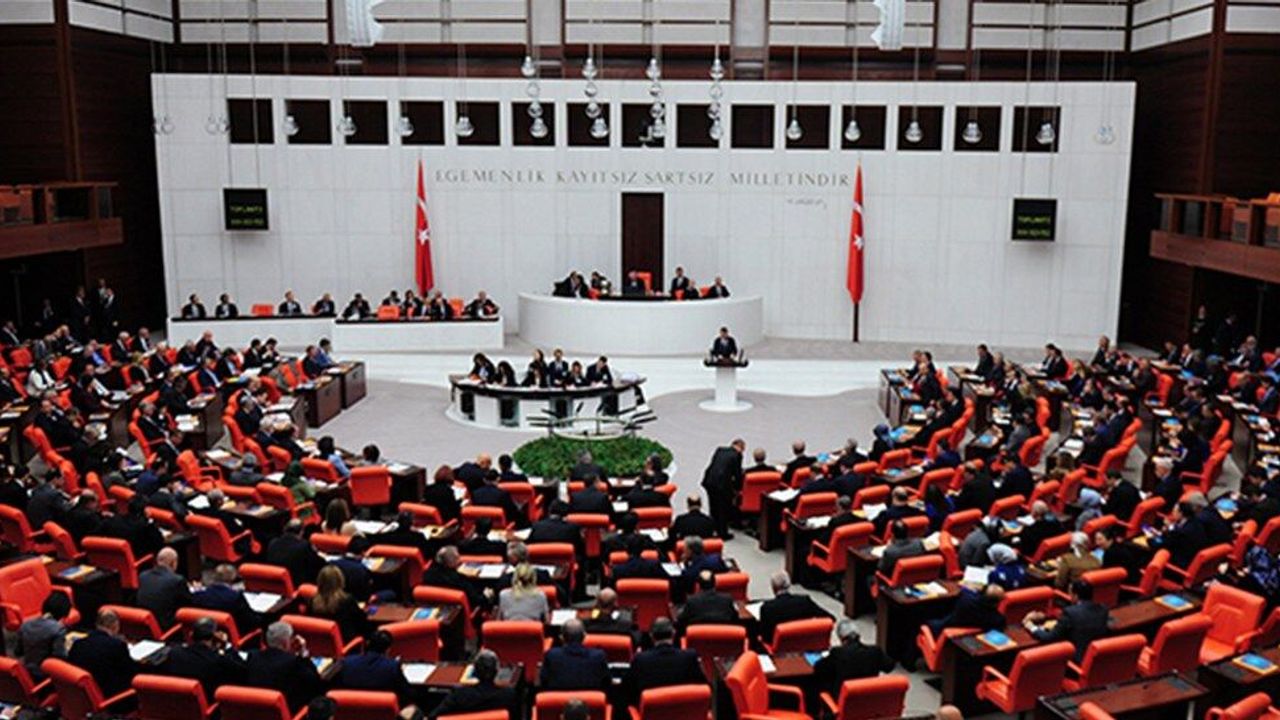
The work on the Law Proposal on Amendments to Certain Laws for the Effective and Efficient Functioning of the Judiciary has been completed. The package will be submitted to the Grand National Assembly of Turkey. While significant structural reforms were implemented in the legal system with the recently enacted 11th Judiciary Package, it was stated that the 12th Judiciary Package, which is a continuation of this reform, aims to make judicial services faster, more effective, efficient, and accessible.
The 12th Judiciary Package consists of a total of 30 articles, including enforcement, execution, and a provisional article. The proposal foresees amendments to 12 different laws. The regulations are generally grouped under three main headings: innovations related to civil law, arrangements concerning administrative judiciary procedures, and provisions aimed at filling legal gaps arising after Constitutional Court annulments.
Acceleration of trials
The proposal includes significant provisions to shorten trial durations with the objectives of facilitating citizens' access to justice, strengthening the right to seek remedies, and more effectively protecting the right to be tried within a reasonable time. Accordingly, in civil courts, it is envisaged that, unless there is a compulsory reason, the interval between hearings shall not exceed 3 months. This aims to conclude civil cases more quickly, avoid long intervals between hearings, and ensure better functioning of decision-making processes. In administrative courts, it will be allowed for cases directly affecting citizens’ daily lives to be decided more rapidly by a single judge.
Prevention of procedural back-and-forth
The package aims to prevent files in administrative judiciary from shuttling between first instance courts and appellate bodies due to procedural reasons. This regulation will prevent unnecessary prolongation of trials and ensure citizens obtain their rights more quickly. In civil judiciary, it is proposed that if the Court of Cassation's decision on the merits of the case is correct, it cannot issue a reversal decision solely based on jurisdiction or authority issues. Thus, prolongation of trials due to procedural reasons alone is planned to be avoided.
Expansion of remedies in administrative judiciary
The new law proposal allows citizens who encounter a different result at the appellate stage compared to the first instance decision to appeal this decision to the Council of State, the higher judicial body. This regulation will strengthen the freedom to seek remedies in administrative judiciary and expand citizens’ judicial review options. Additionally, it aims to ensure the Council of State continues working with its current number of chambers and members, enabling it to finalize disputes faster and allow citizens quicker access to justice.
Objection authority of the Chief Public Prosecutor of the Court of Cassation
The proposal clarifies who may apply for objection to the Chief Public Prosecutor of the Court of Cassation to operate this authority more effectively and efficiently, and redefines the duration for examining objections. The regulation aims to resolve doubts in practice and make the legal remedy more predictable.
Expansion of the e-Hearings application
The scope of the e-hearing method in civil trials will also be expanded. This provision will especially facilitate lawyers’ participation in preliminary hearings, strengthen digitalization in judicial services, and save time and costs in trial processes.
New measures in expert witness practice
New measures are being introduced to prevent resorting to expert witnesses on matters that judges can resolve with their own legal knowledge. This regulation aims to operate the expert witness institution appropriately, prevent prolongation of trials caused by unnecessary expert examinations, and accelerate case conclusion.
Regulation regarding indefinite claim lawsuits
The indefinite claim lawsuit, which has caused doubts and loss of rights in practice, will be abolished and its provisions will be regulated within the scope of partial lawsuits. Thus, the legal benefits provided by the indefinite claim lawsuit are planned to be transferred to a more secure and predictable framework.
Claims awarded against public institutions
A new procedure will be introduced for claims awarded against public institutions and organizations by civil courts to ensure citizens receive their claims faster. According to this procedure, a written application must be made to the relevant administration before initiating enforcement proceedings; if the claim is not paid within one month, enforcement action may be started.
Digital convenience in notary documents
The regulation envisaged in the Notary Law will allow documents requested from notaries by judicial authorities to be delivered to judicial bodies faster and at a lower cost by utilizing digital means. This provision is expected to both accelerate judicial processes and reduce unnecessary bureaucratic burdens.
Termination of co-ownership in inherited properties
An important regulation is made to prevent grievances experienced during the termination of co-ownership processes in inherited immovables. Accordingly, the first auction in the termination of co-ownership among heirs will be held only among the heirs and will start with the current market value of the property. Thus, heirs will have the priority to purchase the immovable inherited from their ancestors. If the heirs do not purchase the property, a second auction will be held publicly without additional financial burden on the parties.
New measures in electronic auctions
Improving regulations on electronic auctions are made to protect parties’ rights during the termination of co-ownership processes and prevent malicious attempts to impede auctions. This regulation aims to conduct sales processes more securely, transparently, and effectively.
Equitable balance in compensation calculations
The practice that disrupts the balance of interests between parties due to the calculation method in loss of support and incapacity for work compensation lawsuits will be ended. By clearly determining from when statutory interest will apply, it aims to prevent injustices arising from applying interest retroactively to potential future gains. Thus, it intends to protect the balance of interests between parties with a more just and equitable calculation method.
Sale of property belonging to individuals under guardianship
In line with the requirements of the era, sales of properties belonging to restricted individuals under guardianship will be carried out through the UYAP e-Sales Portal without physical limitation. The regulation aims to conduct sales electronically, prevent sabotage of auctions by malicious persons, and ensure properties are sold at the highest price in a more competitive environment.
Regulation regarding statutory interest rate
The Constitutional Court decision created the necessity to determine the statutory interest rate. Accordingly, a regulation on the statutory interest rate is envisaged. It is planned that the rate will be determined based on the rediscount rate set by the Central Bank.
Protection of personal data in criminal procedure
Important amendments are made in the Criminal Procedure Code in light of decisions by the European Court of Human Rights and the Constitutional Court. It explicitly regulates how long and under which conditions computer data seized during judicial processes and personal data obtained from molecular genetic examinations are stored, destruction procedures, the right of the data owner to request deletion, and under what circumstances this data may be used. The regulation aims to maximize the protection of personal data.
Suspension of pronouncement not to be applied in torture and ill-treatment crimes
The institution of postponement of judgment pronouncement will be prevented from being applied in cases of torture and ill-treatment crimes. This regulation aims to combat torture and ill-treatment more effectively and prevent the perception of impunity.
Defense rights of fugitive defendants
To strengthen the right of defense, a fugitive defendant against whom a security measure is imposed will be granted the right to request the retrial of the case, provided that they are present in court personally and express their desire to exercise defense rights. This regulation will enhance the rights to a fair trial and defense.
Training of judges and assistant prosecutors
To strengthen a fair, effective, and reliable judiciary, the pre-professional training process of judges and assistant prosecutors will become more qualified and comprehensive. The regulation aims to train future judges and assistant prosecutors in a way that can better meet citizens’ expectations of justice.
Specialized boards of the Forensic Medicine Institution
The qualifications, appointment conditions, and terms of office of the chairpersons and members who will serve in the specialized boards of the Forensic Medicine Institution will be determined by law. This regulation aims to strengthen the specialization structure of the Forensic Medicine Institution and establish a more predictable and institutional framework.
The package aims to conclude lawsuits within a reasonable time, facilitate access to justice, strengthen remedies, increase digitalization, protect personal data, enhance legal safeguards in criminal procedure, and resolve grievances that directly affect citizens' lives.